
Ebola: The DRC Outbreak and How We're Responding
Ebola: The DRC Outbreak and How We're Responding
A deadly strain of Ebola is spreading across the Democratic Republic of the Congo (DRC) and Uganda
With decades of experience serving women and their families in DRC, we are a trusted source of information and aid during times of crisis. Our teams are working fast to disseminate health information, meet urgent needs and save lives.
The Current Situation
In early May, a hospital in a rural part of northeastern DRC identified a cluster of severe illnesses affecting healthcare workers. Due to a combination of ongoing conflict, fragile health systems and widespread funding cuts to international aid, the process of identifying the illnesses as Ebola took weeks longer than usual.
Now, the World Health Organization has declared this a Public Health Emergency of International Concern, which is the highest level of global health alert.
The DRC is facing its 17th outbreak of Ebola, but this Bundibugyo strain – which has not been seen for more than a decade – is especially concerning because there is no vaccine to curb its spread.
Stopping this outbreak depends entirely on identifying cases fast, isolating people who are sick and strengthening hygiene practices.
In addition to a large cluster of infections in the northeast part of the country, the first cases have now been reported in Bukavu where our head office and training center is located.
We fear it will spread to our second location in Uvira soon.
We are mobilising our staff and participants in the DRC to respond to this crisis. Our past Ebola response in 2019 included teaching women how to identify Ebola symptoms, conducting community education on effective hygiene practices and distribute sanitation kits with gloves, water, chlorine and soap.
Added Risks for Women and Girls
As primary caretakers for their families and communities, women end up most exposed to Ebola infection. This time is no different:
In DRC, most cases to date have been in people between 20 and 39 years old, and two-thirds have been in female patients.
During previous Ebola outbreaks, pregnant women often couldn't get the care they needed due to overwhelmed health facilities. Pregnant women with Ebola are at an increased risk of adverse pregnancy outcomes, including fetal loss and pregnancy-associated hemorrhage.
And the risks go beyond direct infection. Women and girls are usually responsible for getting supplies and water – critical to cleaning and preventing the spread of the virus. They often take miles-long trips to water sources alone, making them vulnerable to rape and other gender-based violence. Rates of exploitation and domestic abuse rise during outbreaks.
Strengthening and Preparing Communities
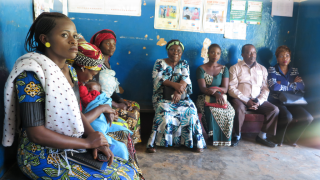
Women for Women International works at the critical intersection of women and conflict, and we are ready to prevent Ebola from reaching the women we serve – and make a life-saving difference should Ebola ever reach their doorsteps. We are an embedded part of the community. Our trainers come from the same communities they teach in. They share they the same backgrounds, culture and concerns.
With over 22 years of loyal service in DRC, the community trusts us, and this trust is key.
We have seen in past outbreaks that Ebola breeds distrust. It breaks down the connections that make communities resilient. Within the context of conflict, a distrust of outsiders and authority grows into a distrust of health workers who hope to help. Doubts about whether the outbreak is even real grow too. Outsiders receive blame for bringing the disease, and health responders are attacked. This leads to into distrust of anyone who could be touched by the disease, eroding social and economic structures.
We already meet regularly with women to teach them about health and hygiene, and so we are well-positioned to help our sisters invest in preparedness by sharing knowledge about the devastating effects of Ebola, how to prevent its spread and how to contain it.
Right now, we’re working closely with our team on the ground to understand exactly what they and their community need at this critical point. We are planning to train women on preventing Ebola and recognising symptoms to create an early warning system. As part of prevention, we are aiming to provide sanitation kits that include water, chlorine and soap, together with materials to detect high body temperatures.
Our past community education included teaching women to bump elbows instead of embrace, which became known as the "Ebola Bump." We also deployed vans with loudspeakers to disseminate health information on a wider scale.
We have a chance to curb this outbreak, but we cannot do it alone. This is a crucial time to come together, earn the trust of locals and support women as frontline educators.
Our Holistic Approach:
- Protect Women & Families: Provide hygiene kits to 2,700 women in our programmes with masks, gloves, soap, chlorine, spray bottles and pedal operated buckets
- Strengthen Frontline Response: Train and hire frontline health response staff in vulnerable communities
- Expand Community Protection: Supply PPE and install community-wide hygiene stations in Uvira and Bukavu
- Disseminate Accurate Information: Conduct community awareness campaigns via radio broadcasts, posters, theatre groups, public meetings and more
Help stop the spread
East Africa is facing a deadly Ebola outbreak. Your urgent gift will help our teams respond to this crisis DRC and other crises women are facing around the world.
Read more
Ride for Women Survivors of War
subtitle:
Participating in My Prudential RideLondon is your chance to be part of the world's greatest virtual cycling event whilst raising vital funds for women survivors of war. To get you started, here are a few ideas and tips.
From social media to texts to radio broadcasts to pamphlets — even loudspeakers paired with health demonstrations — our country office staff and participants of our programme have found many solutions to educate their communities about COVID-19. Here’s one more: sign language.
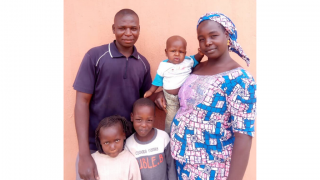
Saratu
subtitle:
Saratu, our programme participant from Nigeria shares her experience of escaping Boko Haram, learning about health, business and gender equality and building a better life for herself and her family.
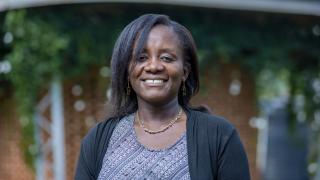
Our Country Director in the Democratic Republic of the Congo, Audry Shematsi reflects on 60 years of independence, power of women and progress towards gender equality.
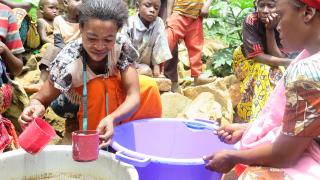
The coronavirus pandemic has meant that women in our programme could not meet for in-person trainings. Despite this, we have seen how they carried the lessons learnt and friendships formed out of the classroom to protect each other and their community.
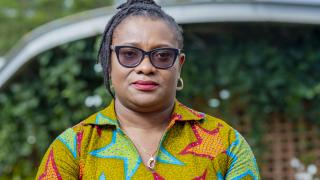
Our Country Director in Nigeria, Buki Onyishi, speaks out on the pandemic that has plagued her country for so many years: sexual violence.
Your #SheInspiresMe LIVE Reading list
subtitle:
We hope #SheInspiresMe LIVE left you feeling inspired to take action and make a difference! To help you continue your journey we have collated this list of resources with books, podcasts, articles, blogs, documentaries and videos from our #SheInspiresMeLIVE speakers.
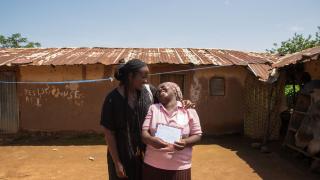
Messages of hope from Nigeria
subtitle:
The power of sisterhood in action offers an important reminder: tough times don't last.
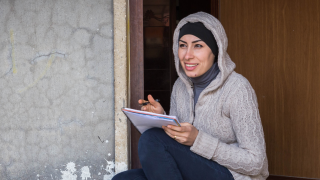
Women from our programme in Iraq share messages of hope with the global sisterhood.
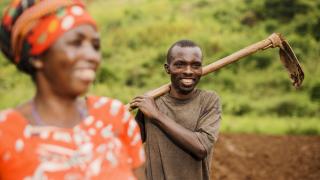
Participants from our Men’s Engagement Programme in Rwanda share how they are putting lessons from the programme into practice.
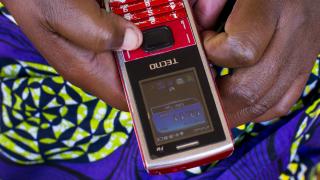
Due to the coronavirus crisis, many of the women we serve have had to stay at home, unable to make money for their family and attend training at Women for Women International. Our team knew that these women would still need support, so they looked to mobile phones for solutions.