
Displacement Is Reaching Record Levels
Displacement Is Reaching Record Levels
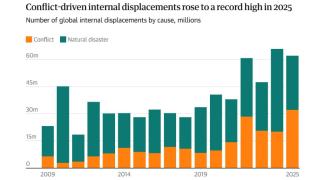
Internal displacement due to violent conflict has officially eclipsed displacement by natural disasters.
According to new data from internal displacement monitoring organisations, conflict driven displacement reached unprecedented levels in 2025.
More than 32 million new internal displacements were recorded due to conflict and violence – the highest number ever documented and surpassing the number of people displaced by natural disasters for the very first time.
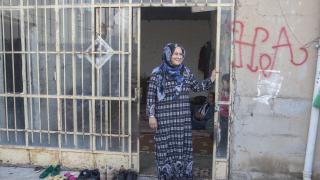
Behind these staggering figures are individuals and families who have lost not only their homes, but also their sense of safety, stability and hope for the future.
The crisis is most prominent in countries that are already facing prolonged conflict and instability. Nearly half of all conflict related displacement in 2025 occurred in Sudan, Colombia, Syria, Yemen and Afghanistan. Sudan recorded the highest number of internally displaced people for the third consecutive year.
But worsening and expanding conflicts also triggered a surge in new displacement. As people were forced to flee multiple times, total movements rose by 60% compared with 2024, with Iran and Democratic Republic of the Congo (DRC) driving much of this increase and accounting for two-thirds of global displacement movements.
What Does Internal Displacement Really Mean?
Unlike refugees who cross international borders, internally displaced people remain within their own countries. Many are forced to flee multiple times as violence shifts from one region to another. A single person may be counted several times throughout the year if repeated attacks or insecurity force them to move repeatedly. Consider families in Gaza who are moving again and again within the same 141 square miles.
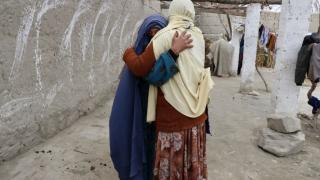
While recent data shows a slight decline in the overall number of displaced people globally, experts caution that this should not be mistaken as progress.
Some families have returned to areas in Sudan, DRC and Syria. Yet many of these returns are occurring in places where infrastructure has been destroyed, services remain unavailable and insecurity persists.
For countless people, returning home does not mean returning to safety.
How Does Displacement Impact Women?
When conflict forces families to flee, women shoulder the burden.
Displacement cuts women off from income opportunities, education, healthcare and support networks. It increases the risk of gender-based violence, exploitation and early marriage. Women frequently become the primary caregivers for children, elderly and injured family members while trying to rebuild their own lives.
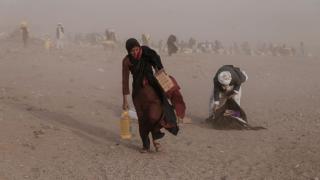
In countries like DRC, where conflict and displacement have persisted for decades, women face the challenge of rebuilding repeatedly as new waves of violence uproot communities once again.
The impact extends far beyond immediate humanitarian needs. Prolonged displacement can trap families in cycles of poverty and insecurity that lasts for generations.
Why Your Support Matters More Than Ever
As conflicts become more complex and international in nature, opportunities for safe and sustainable return are shrinking. In 2025, nearly half of all conflict-related internal displacements were linked to international armed conflicts. This is almost double the proportion recorded just one year earlier.
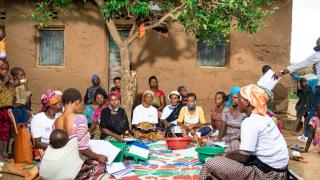
In our global “From Asking to Action” consultations conducted in 2024, 78% of the women that we surveyed across 14 conflict-affected countries indicated that conflict was the primary reason for displacement in their community. This was the most-cited driver of displacement, followed by the loss of economic opportunities (52% of women surveyed) and political instability (37% of women surveyed). Displacement was also cited as one of the top three barriers to an improved quality of life by women in Palestine, Sudan, Syria and Ukraine.
These trends highlight the urgent need for long-term support that goes beyond emergency relief.
Women need access to resources, training, income opportunities and community support systems that help them rebuild their lives despite ongoing instability. They need the tools to support their families, strengthen their communities and prepare for an uncertain future. We know this because we asked them directly. When surveyed about the specific needs of women during repatriation, resettlement, rehabilitation and post-conflict reconstruction, the most common responses among the women we surveyed were:
- Economic empowerment programmes (65%)
- Educational skills training (65%)
- Access to comprehensive health services (57%)
At Women for Women International, we work alongside women affected by conflict and displacement, helping them gain the skills, knowledge and support they need to recover and move forward.
As displacement reaches record levels worldwide, investing in women is one of the most effective ways to strengthen resilience and help communities rebuild.
Behind every statistic is a woman determined to create a better future – for herself, her family and her community.
Donate to support refugee women today
Invest in the power of women refugees to rebuild their lives and families.
Women have the power to transform their own lives and our world. Help refugee women help themselves and make our world better for everyone.
Read More

World Refugee Week Reading List
subtitle:
In recent years, refugee literature has provided a way of educating the public about the truth behind the refugee experience. Women for Women International believes that knowledge is power, so check out our World Refugee Day Reading List to grow your awareness and understanding of the refugee experience for your own personal reading and to share with others.
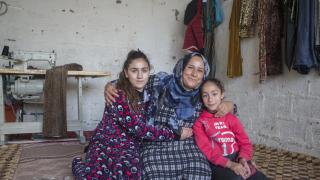
5 Facts About What Refugee Women Face
subtitle:
The amount of forcibly displaced people has reached a staggering number—over 114 million according to UNHCR—and the number only continues to increase. This World Refugee Day, learn about the state of refugees today.
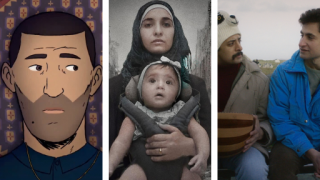
As the global refugee crisis has reaches a record high, it is crucial now more than ever to understand the obstacles facing refugees. This World Refugee Week, we have put together a list of seven must-see movies that provide an insight into the refugee experience and their powerful stories of survival.