
Ebola: The DRC Outbreak and How We're Responding
Ebola: The DRC Outbreak and How We're Responding
A deadly strain of Ebola is spreading across the Democratic Republic of the Congo (DRC) and Uganda
With decades of experience serving women and their families in DRC, we are a trusted source of information and aid during times of crisis. Our teams are working fast to disseminate health information, meet urgent needs and save lives.
The Current Situation
In early May, a hospital in a rural part of northeastern DRC identified a cluster of severe illnesses affecting healthcare workers. Due to a combination of ongoing conflict, fragile health systems and widespread funding cuts to international aid, the process of identifying the illnesses as Ebola took weeks longer than usual.
Now, the World Health Organization has declared this a Public Health Emergency of International Concern, which is the highest level of global health alert.
The DRC is facing its 17th outbreak of Ebola, but this Bundibugyo strain – which has not been seen for more than a decade – is especially concerning because there is no vaccine to curb its spread.
Stopping this outbreak depends entirely on identifying cases fast, isolating people who are sick and strengthening hygiene practices.
In addition to a large cluster of infections in the northeast part of the country, the first cases have now been reported in Bukavu where our head office and training center is located.
We fear it will spread to our second location in Uvira soon.
We are mobilising our staff and participants in the DRC to respond to this crisis. Our past Ebola response in 2019 included teaching women how to identify Ebola symptoms, conducting community education on effective hygiene practices and distribute sanitation kits with gloves, water, chlorine and soap.
Added Risks for Women and Girls
As primary caretakers for their families and communities, women end up most exposed to Ebola infection. This time is no different:
In DRC, most cases to date have been in people between 20 and 39 years old, and two-thirds have been in female patients.
During previous Ebola outbreaks, pregnant women often couldn't get the care they needed due to overwhelmed health facilities. Pregnant women with Ebola are at an increased risk of adverse pregnancy outcomes, including fetal loss and pregnancy-associated hemorrhage.
And the risks go beyond direct infection. Women and girls are usually responsible for getting supplies and water – critical to cleaning and preventing the spread of the virus. They often take miles-long trips to water sources alone, making them vulnerable to rape and other gender-based violence. Rates of exploitation and domestic abuse rise during outbreaks.
Strengthening and Preparing Communities
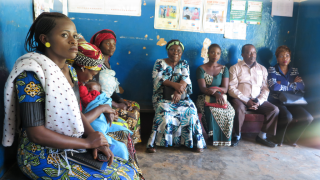
Women for Women International works at the critical intersection of women and conflict, and we are ready to prevent Ebola from reaching the women we serve – and make a life-saving difference should Ebola ever reach their doorsteps. We are an embedded part of the community. Our trainers come from the same communities they teach in. They share they the same backgrounds, culture and concerns.
With over 22 years of loyal service in DRC, the community trusts us, and this trust is key.
We have seen in past outbreaks that Ebola breeds distrust. It breaks down the connections that make communities resilient. Within the context of conflict, a distrust of outsiders and authority grows into a distrust of health workers who hope to help. Doubts about whether the outbreak is even real grow too. Outsiders receive blame for bringing the disease, and health responders are attacked. This leads to into distrust of anyone who could be touched by the disease, eroding social and economic structures.
We already meet regularly with women to teach them about health and hygiene, and so we are well-positioned to help our sisters invest in preparedness by sharing knowledge about the devastating effects of Ebola, how to prevent its spread and how to contain it.
Right now, we’re working closely with our team on the ground to understand exactly what they and their community need at this critical point. We are planning to train women on preventing Ebola and recognising symptoms to create an early warning system. As part of prevention, we are aiming to provide sanitation kits that include water, chlorine and soap, together with materials to detect high body temperatures.
Our past community education included teaching women to bump elbows instead of embrace, which became known as the "Ebola Bump." We also deployed vans with loudspeakers to disseminate health information on a wider scale.
We have a chance to curb this outbreak, but we cannot do it alone. This is a crucial time to come together, earn the trust of locals and support women as frontline educators.
Our Holistic Approach:
- Protect Women & Families: Provide hygiene kits to 2,700 women in our programmes with masks, gloves, soap, chlorine, spray bottles and pedal operated buckets
- Strengthen Frontline Response: Train and hire frontline health response staff in vulnerable communities
- Expand Community Protection: Supply PPE and install community-wide hygiene stations in Uvira and Bukavu
- Disseminate Accurate Information: Conduct community awareness campaigns via radio broadcasts, posters, theatre groups, public meetings and more
Help stop the spread
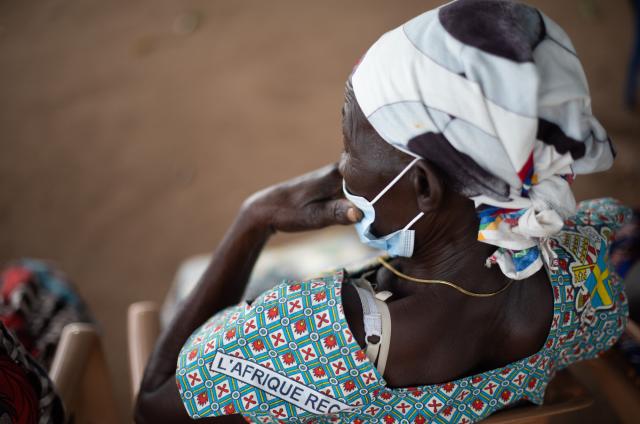
East Africa is facing a deadly Ebola outbreak. Your urgent gift will help our teams respond to this crisis DRC and other crises women are facing around the world.
Read more
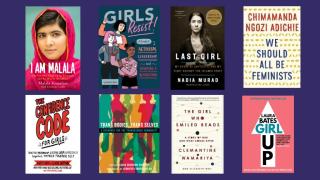
We are excited to announce the launch of Women for Women International's expanded Adolescent Girls Programme, an extension of our Stronger Women, Stronger Nations curriculum. In line with this mission, we've curated a selection of powerful books that resonate deeply with the themes of our Adolescent Girls Programme. These books connect to the rights of adolescents, addressing education, empowerment, resilience and activism. Happy reading!

More than two billion people around the world experience a period every month - but around 500 million cannot afford to manage them safely. Access to hygienic period products and safe spaces in which to use them is essential – as is our right to manage our periods without shame. Here’s how period poverty affects people in conflict – and what we can do to prevent it.
September marks a new beginning for many as students around the world return to school. The fresh scent of new notebooks, the anticipation of learning, and the joy of reuniting with friends are moments cherished by many. But for countless women and girls living in conflict zones, this simple joy is unattainable.
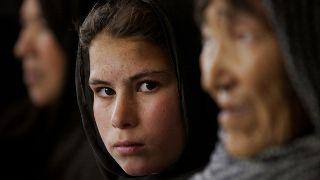
Since the Taliban’s return to power in Afghanistan in August 2021, Afghan women have experienced profound changes in their daily lives. The de facto government has reinstated many restrictions, severely limiting the rights and freedoms of women and girls.
Yet, in the face of these challenges, Afghan women have shown extraordinary determination and strength, finding ways to resist and adapt. Here, we explore five significant ways their lives have changed, highlighting both the difficulties they face and their ongoing fight for their rights.
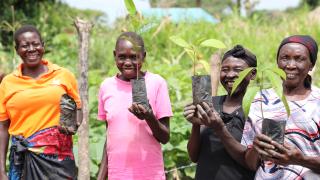
Why is a climate justice lens important?
subtitle:
Nisha Singh, Senior Global Policy and Advocacy Manager, explains why Women for Women International uses a climate ‘justice’ lens to approach our programming and advocacy to strengthen women’s resilience at the intersection of conflict and climate shocks.
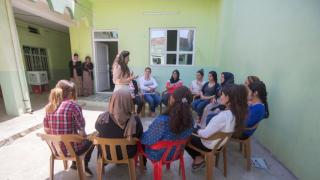
As we approach the tenth anniversary of the Yazidi genocide, we reflect on the remarkable journey of Yazidi women in our Stronger Women Stronger Nations programme, from conflict to realising their power. This milestone is not only a solemn reminder of the atrocities they faced but also a testament to their resilience and strength.
A deeper dive into our impact
subtitle:
2023 was a particularly challenging year for women survivors of war and conflict worldwide, with numerous ongoing and new crises impacting their lives. These global conflicts underscored the importance of our mission.
We're proud to share our impact with you, our global community, and are grateful for your steadfast commitment in helping us reach those who are often forgotten.
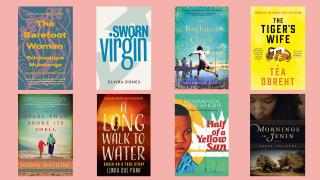
Summer Reading: Celebrating Voices from Around the World
subtitle: Remarkable stories of courage and determination from conflict-affected countries
As we embrace the warmth of summer (sometimes metaphorically, depending on the weather!) we invite you to join us in exploring captivating narratives penned by talented female writers from around the world.
This curated summer reading list celebrates the rich diversity of cultures, histories and personal experiences through the lens of authors from eight conflict-affected countries where we work.
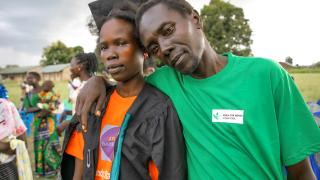
Mawa and Jackline have been married for six years, living with their two children in South Sudan. Their marriage was on the brink of collapse when they were enrolled in our Couples Connect Pilot Programme.
Now, Mawa shares his story of transformation - and a heartfelt message to other men.

Our Couples Connect pilot sessions are helping men and women work together and ensure a better future for their families. Read Betty and Mawa's stories.
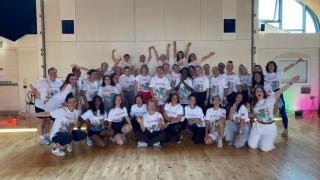
At Women for Women International, we understand that being asked to join an interview can be both exciting and daunting and want to support to feel confident and prepared. Whether you're a seasoned professional or just starting out, we're here to support you every step of the way.

Zeina Kanawati, originally from Damascus, Syria, now calls Berlin home.
After moving through various countries with her family to find safety, she has held onto recipes from Syria and shares traditional meals with her family and new community, keeping her culture and heritage alive even while she's away from her homeland.