
Stand Up Against Period Poverty
Your donation today can provide essential menstrual hygiene products and education to women and girls who need it most.
Period Poverty Donate
500 million women and girls lack proper access to menstrual products
Source: UNICEF
1 in 10 girls in sub-Saharan Africa miss school during their period, contributing to higher dropout rates
Source: UNESCO
2 in 5 Only 2 in 5 (39%) schools worldwide provide menstrual health education
Source: UNICEF
Periods don't stop during conflict
Support women and girls with menstrual hygiene products and education
Every month, more than two billion people around the world menstruate. Access to period products, clean water, soap, and safe, private places to manage a period should be a basic right — yet for an estimated 500 million people worldwide, that right is out of reach. In times of war and crisis, period poverty becomes even more severe. Conflict puts already fragile healthcare and sanitation systems under extreme pressure, forcing women and girls to manage their periods without the products, facilities, or information they need, often in unsafe, undignified conditions. Displacement, poverty, and broken supply chains mean that pads, clean water, and toilets can be impossible to access, particularly in refugee camps and conflict‑affected communities.
For women and girls living in these contexts, period poverty is not just uncomfortable, it can be dangerous. Many are forced to use unhygienic materials, increasing the risk of infection and illness, while stigma and shame keep them away from school, work and public life. In some countries affected by conflict, girls miss school every month simply because they are menstruating, limiting their education and future opportunities.
Period poverty is a global injustice, made worse by war, displacement and inequality. But with the right support, it can be addressed. By providing access to menstrual products, health education, and women‑led solutions in conflict‑affected regions, we can help ensure that no one is forced to manage their period without dignity, safety, or choice.
Stand Up Against Period Poverty
Your donation today can provide essential menstrual hygiene products and education to women and girls who need it most.
Learn more
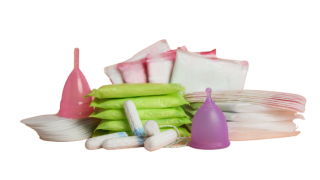
More than two billion people around the world experience a period every month - but around 500 million cannot afford to manage them safely. Access to hygienic period products and safe spaces in which to use them is essential – as is our right to manage our periods without shame. Here’s how period poverty affects people in conflict – and what we can do to prevent it.
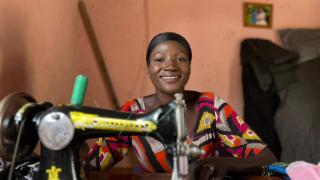
Grace
subtitle:
"Improving menstrual hygiene in my community is a significant achievement for me."
Find out how Grace was able to launch a successful business that generates a steady income while addressing period poverty within her community.