
Rwanda's Peace Baskets: Woven with Hope
Rwanda's Peace Baskets: Woven with Hope
This festive season, when you receive a handwoven mini peace basket from Women for Women International, you're receiving something more than a beautiful, handmade gift.
The peace basket – agaseke – is a piece of Rwanda's history, a symbol of reconciliation, and the story of women who are creating brighter futures for themselves, their families and their communities.
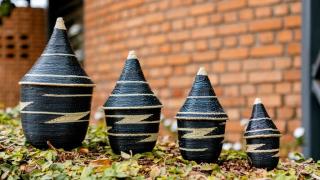
What is a Peace Basket?
Known in Rwanda as the agaseke, the traditional peace basket is one of the country's most recognisable cultural symbols. Distinctive for its intricate weaving and pointed lid, each basket is a work of art crafted from smooth sisal fibers wrapped around native grasses and reeds.
These baskets were traditionally used to store grains and present gifts during important family celebrations, including weddings. Over generations, they came to represent prosperity, abundance and respect.
Basket weaving has long been a skill passed down from mothers to daughters. Women would gather to weave, sharing stories, knowledge and community while preserving an important cultural tradition.
A Symbol of Peace and Reconciliation
The peace basket took on a deeper meaning following the 1994 Genocide Against the Tutsi. Over one million people lost their lives over a period of 100 days – and an estimated 100,000-250,000 women were raped.
As Rwanda began the difficult process of rebuilding and reconciliation, women from different backgrounds came together through weaving cooperatives. In villages and communities across the country, basket weaving became a way to foster dialogue, rebuild trust and create economic opportunities for women whose lives had been profoundly affected by the genocide.
This is where Women for Women International’s story comes in.
Women accounted for around 70% of the population following the genocide, which led to a massive shift in the country’s workforce. When we began working there in 1997, one key element of our work was teaching women vocational skills and how start businesses to earn an income – to support themselves and their families, and to contribute to rebuilding their country.
In 2013, we funded the Urugo Women's Opportunity Centre in Kayonza, in Rwanda's Eastern Province. Since then, Urugo has grown from a single crafting workspace into a thriving centre for women's economic empowerment. Today, it runs eight active programmes spanning handcraft production, tailoring, leatherwork, carpet weaving and vocational training in hospitality, coffee shop service and dairy production.
More than 5,000 women have been trained at Urugo since it opened, many of whom have gone on to start their own businesses. Around 250 women currently work at the centre's cooperatives, creating and selling products through the Urugo gift shop. These are the women who have woven the peace baskets you can receive this festive season.
More Than a Gift
The agaseke became a powerful symbol of peace, unity and healing. Today, it represents not only Rwanda's rich cultural heritage, but its people’s commitment to a shared peaceful future.
Each basket represents hours of careful craftsmanship and, more than that, they represent the confidence women gain through our training and the income they’ve earned and used to build brighter futures for themselves and their families.
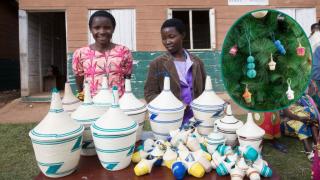
This festive season, please give a gift to help weave peace and hope into the fabric of the new year.
If you can give £30 or more, you can receive one of these special mini peace baskets, which we hope will serve as a reminder of your impact and that when women are given the tools and opportunities to thrive, they create stronger, more peaceful communities for generations to come.
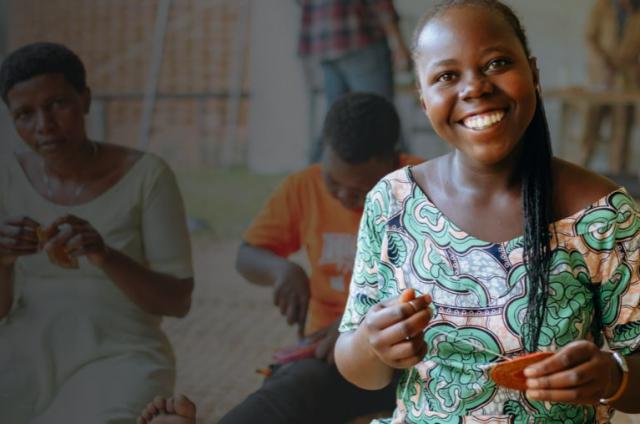
Give a festive gift to light up the season
Donate £30 or more and we'll send you a mini peace basket handwoven by women in Rwanda.
Read more
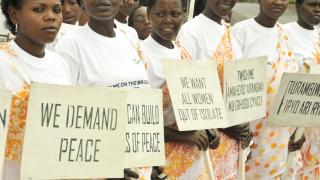
Imagining Peace
subtitle:
We asked women living through war and conflict: “If there were peace in your country today, what’s the first thing you would do?” Their answers are simple, yet profound - rebuilding homes, sleeping without fear, growing a small business or hugging loved ones without worry. From Gaza to South Sudan, from the DRC to Ukraine, these voices remind us what true peace means: safety, dignity and the chance to rebuild life with hope.
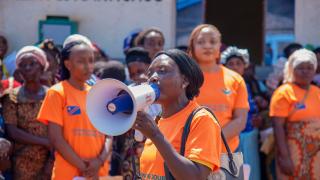
Women are deeply affected by conflict yet remain excluded from peace negotiations. This blog highlights why women’s leadership and inclusion are essential to building lasting, inclusive peace.
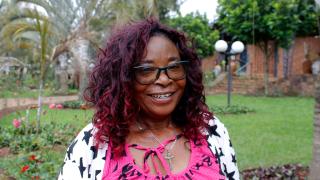
7th April, 2024 marks 30 years since the genocide in Rwanda. Kakuze Marie Emerance, a survivor and now a trainer at our Women's Opportunity Centre shares her story, from the tragedy of the genocide to forgiveness and reconciliation.